
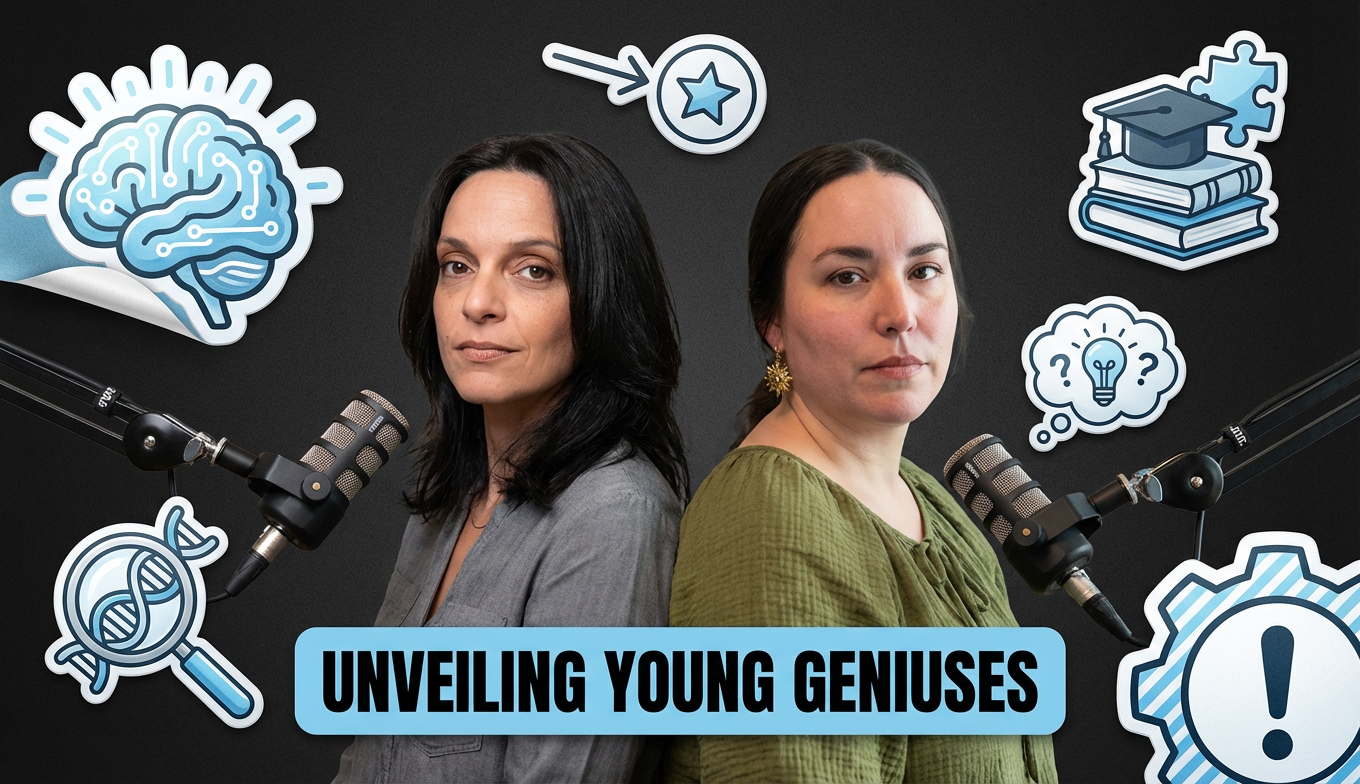
Willow Kids Podcast · Season 1, Episode 6
Understanding Giftedness: Nurturing Genius in the Classroom
Meta Description: Discover how to recognize and nurture gifted children beyond grades. Explore insights on giftedness, educational approaches, and parental support.
In today’s fast-paced educational landscape, many brilliant children go unnoticed. As parents and educators, we often focus on grades and standardized tests, overlooking the unique markers of giftedness that don’t fit into conventional molds. This post will explore what giftedness truly means, the challenges in recognizing it, and how we can support these extraordinary children in their learning journeys.
What Is Giftedness?
Giftedness is often misunderstood as merely high academic performance. However, it encompasses a range of cognitive abilities, creativity, and intrinsic motivation. It can manifest in various forms, such as advanced thinking, unique problem-solving skills, or even cultural expressions. Understanding this broader definition is crucial for identifying gifted children effectively.
The Traditional View of Giftedness
Historically, giftedness has been identified through standardized testing and academic achievements. However, this approach can overlook many capable students who may not excel in traditional settings. Factors such as anxiety during tests or a mismatch between a child's learning style and the educational approach can result in underperformance.
Why Some Gifted Children Go Unrecognized
Many gifted children blend into the classroom due to various factors:
- Peer Pressure: Social dynamics can lead children to hide their abilities to fit in.
- Boredom: A lack of engagement with the standard curriculum can cause highly intelligent students to disengage and appear less capable.
- Teaching Limitations: Educators often lack the resources or time to truly understand each child's unique learning style, causing some gifted students to slip through the cracks.
How Neuroscience Sheds Light on Giftedness
Recent research in neuroscience reveals that gifted children process information differently. Understanding these differences can help educators develop strategies that cater to advanced thinkers:
- Cognitive Patterns: Gifted children may exhibit unique thinking patterns that allow them to grasp concepts more quickly than their peers.
- Intrinsic Motivation: A strong desire to learn and explore is often a sign of giftedness. This self-driven curiosity can be a powerful indicator of potential.
Educational Strategies for Supporting Gifted Learners
To nurture gifted children effectively, we need to adopt flexible, student-centered approaches:
- Personalized Learning: Tailor educational experiences to meet the unique needs of each child, allowing them to explore their interests deeply.
- Encouragement of Curiosity: Foster an environment where questions are welcomed, and exploration is encouraged without the pressure of grades.
- Holistic Assessment: Move beyond standardized tests to include observations and portfolios that showcase a child's strengths and interests.
The Role of Parents in Nurturing Giftedness
Parents play a crucial role in recognizing and supporting their gifted children:
- Open Communication: Share observations with educators to create a comprehensive understanding of the child’s needs.
- Encourage Exploration: Provide opportunities for children to engage in activities that fuel their interests, whether that's arts, sciences, or other creative pursuits.
- Avoid Pressure: Support your child’s learning without imposing expectations or comparisons to peers.
Key Takeaways
- Giftedness is multifaceted and transcends traditional academic performance.
- Recognizing gifted children requires a deeper understanding of their unique traits and learning styles.
- Collaborative efforts between parents, educators, and the community are essential in nurturing giftedness.
By embracing a broader definition of giftedness and implementing supportive strategies, we can help extraordinary children thrive and realize their full potential.
Further reading
- Strategies for supporting diverse learners
- The importance of curiosity in childhood education
- National Association for Gifted Children — resources for parents and educators
Frequently Asked Questions
What are the signs that a child may be gifted?
Signs of giftedness can include advanced problem-solving abilities, a strong intrinsic motivation to learn, and unique expressions of creativity.
How can educators support gifted students in the classroom?
Educators can support gifted students by providing personalized learning experiences, encouraging curiosity, and using holistic assessment methods.
What should parents do if they suspect their child is gifted?
Parents should communicate their observations with educators, encourage their child's interests, and avoid imposing pressure related to academic performance.
Tags: #Giftedness #ChildDevelopment #Education #Parenting #PersonalizedLearning #Neuroscience #Curiosity #WillowKids