Willow Kids Podcast · Season 2, Episode 1
Speakers
Host: Danyel Kilgore, Educational Consultant
- M.A., Organizational Leadership and Change — Pacific Oaks College
- B.A., Psychology/Child Development — Pitzer College
- Child Development Coursework — UCLA Extension
Guest: Cedric Jones, Former Educator & Workforce Development Professional
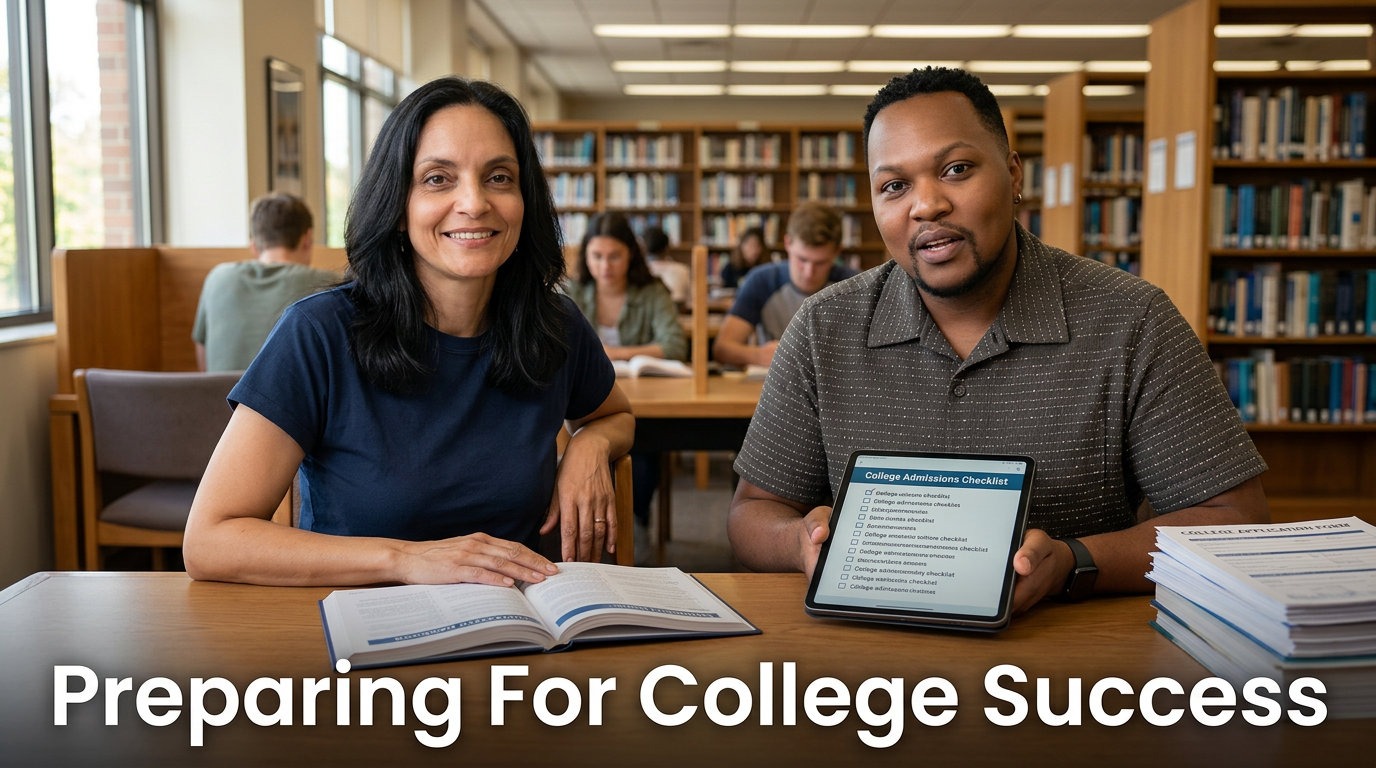
The Willow Kids podcast introduces the launch of a tutoring pilot program and delves into the topic of hidden gaps between high school and college. The discussion covers challenges and surprises for college freshmen, differences between public and private schools, the importance of executive functioning skills, and the struggles in preparing students for these skills in K-12 education. The conversation covers the shift in educational standards, the importance of parent education and support, preparing children for the present context, skills beyond standardized tests, redesigning middle and high school, habits for college preparation, mistakes to avoid, and the single biggest predictor of freshmen success.
Bridging the Gap: Essential Insights for Parents Navigating the Transition from High School to College
As children transition from high school to college, many parents find themselves grappling with a pivotal question: what do they need to know to ensure their child's success? In this post, we explore the hidden gaps that often go unnoticed until students face the realities of college life. With insights from education expert Cedric Jones, we will break down the skills and competencies that are crucial for students to thrive in their academic journeys.
Understanding the Transition: What Surprises Students the Most?
The leap from high school to college is often marked by unexpected challenges. According to Cedric Jones, students frequently struggle with three primary areas:
1. The Weight of Choice
When entering college, students suddenly find themselves making significant decisions about their academic futures. Unlike the structured environment of high school, where clear guidelines dictate their path, college requires them to navigate choices that can cost thousands of dollars. This newfound freedom can be overwhelming, particularly when they realize they must also manage their time and responsibilities independently.
2. Time Management Skills
In high school, students are often guided through their schedules with clear expectations. However, in college, they must learn to manage their time effectively. Many freshmen find themselves ill-prepared for the demands of college life, facing difficulties in balancing coursework, social activities, and personal responsibilities. Cedric highlights the importance of developing time management skills early on in high school to ease this transition.
3. Organizational Structures
Students must also adapt to various organizational frameworks that aren't always taught in K-12 education. College demands a level of self-discipline and adaptability that many students lack when they first enter. Cedric emphasizes the need for students to experiment with different organizational systems to find what works best for them.
The Executive Functioning Gap: What Parents Need to Know
One of the most significant challenges for incoming freshmen is the executive functioning skills gap. Cedric explains that many students struggle with self-management, planning, and prioritizing tasks due to a lack of emphasis on these skills in high school. Here's why this gap exists and how parents can help:
The Parental Paradox
Many parents, in their desire to protect their children, may inadvertently hinder their development of independence. This over-involvement can prevent students from gaining the necessary skills to advocate for themselves in college. Cedric suggests that parents should allow their children to face challenges and learn from failures, as these experiences are vital for personal growth.
Preparing for Independence
Parents can help bridge the gap by encouraging their children to take on more responsibilities at home and in their academic lives. Simple practices, such as allowing children to manage their homework schedules or make decisions about extracurricular activities, can foster independence and self-advocacy.
Actionable Habits: Building a Strong Foundation
To better prepare students for the transition to college, Cedric advises implementing the following habits during high school:
- Encourage Exploration: Allow students to explore various interests and career paths without pressure. This exploration can help them make informed decisions about their future.
- Foster Independence: Gradually increase responsibility in daily tasks, such as managing chores or planning their schedules, to build confidence.
- Develop Executive Skills: Teach skills such as prioritization, organization, and time management through practical exercises and real-life scenarios.
Conclusion
Navigating the transition from high school to college can be daunting for students and parents alike. By understanding the hidden gaps in preparation and focusing on fostering independence and self-advocacy, parents can play a crucial role in their child's success. Start implementing these actionable habits today to ensure a smoother transition for your child into their academic future.
Frequently Asked Questions
What are the most common challenges college freshmen face?
College freshmen often struggle with time management, organizational skills, and the overwhelming responsibility of making significant academic choices.
How can parents help their children prepare for college?
Parents can encourage independence by allowing children to take on responsibilities, explore interests, and develop essential executive functioning skills.
Why is self-advocacy important for college students?
Self-advocacy empowers students to take charge of their education, seek help when needed, and navigate challenges independently.