Willow Kids Podcast · Season 1, Episode 8
Why Some Children with ADHD Thrive in Specific Schools: Insights from Experts
Meta Description: Discover why some children with ADHD excel in particular school environments. Learn key factors that support their educational journey from experts in child development.
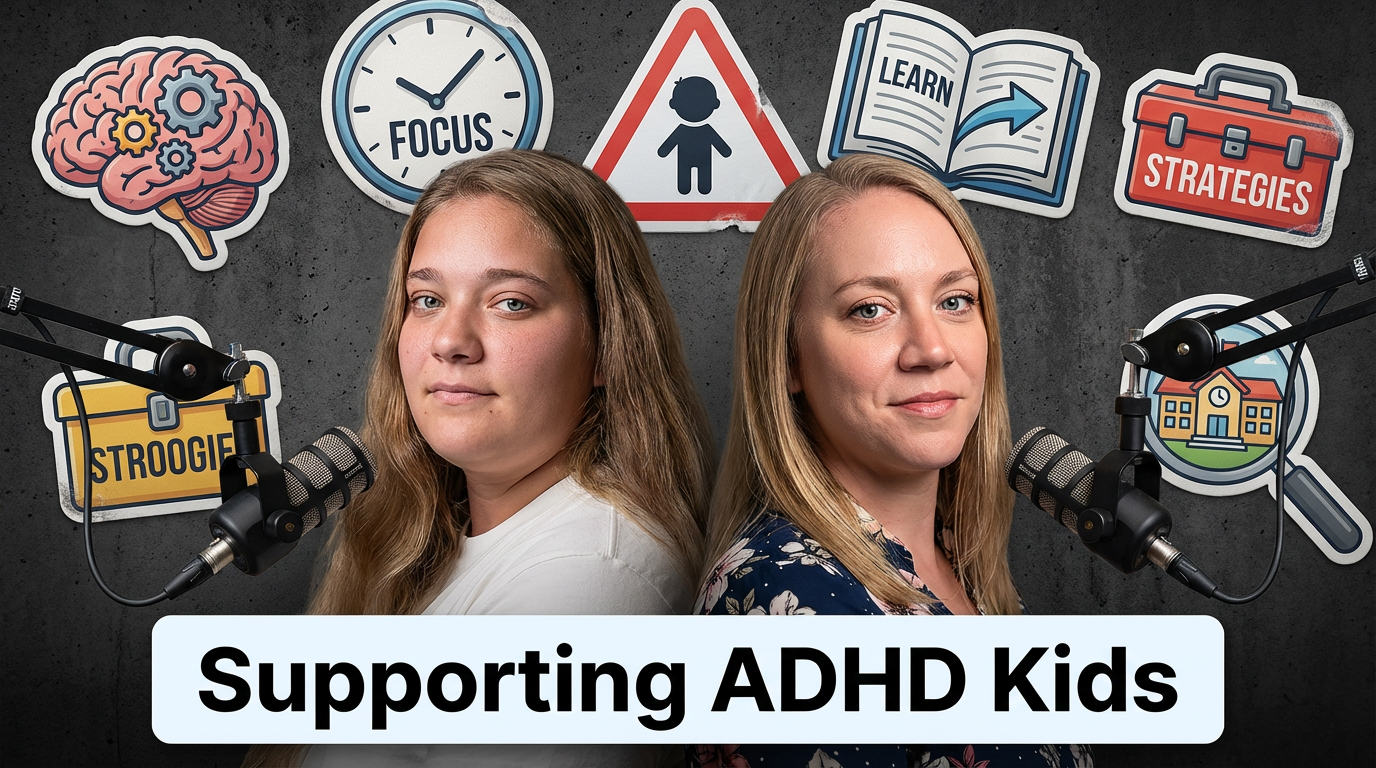
In this podcast episode, we explore a pressing question for many families: why do some children with ADHD perform better in certain school settings? With insights from child development specialist Erin Harrigan and host Katelynn Brown, this post breaks down the critical factors that contribute to a supportive learning environment for children with ADHD.
Understanding ADHD and its impact on learning
ADHD affects children in diverse ways, particularly in academic settings. As Erin explains, students with ADHD often face significant challenges in traditional classrooms, which can lead to exhaustion and frustration.
The challenges children with ADHD face
Children with ADHD may struggle to stay seated, keep their hands to themselves, or take turns during discussions. This constant need for correction can wear them out. By the end of the day, many feel tired and may even have emotional outbursts.
Academic struggles related to ADHD
Research indicates that ADHD symptoms can lead to chronic unfinished work and careless mistakes, often perceived as mere inattentiveness. The traditional school system, which heavily rewards sustained attention and task completion, can be particularly challenging for these children.
The role of school environment in supporting ADHD
The environment plays a crucial role in how children with ADHD manage their symptoms and succeed academically. Here are some key factors to consider:
Access to outdoor spaces
One significant aspect is access to outdoor spaces. Erin emphasizes that outdoor environments can provide the stimulation children with ADHD need to recharge. Schools that incorporate outdoor learning can greatly benefit these students, allowing them to engage more fully with their surroundings while learning.
Flexibility in curriculum and pacing
Another critical factor is the flexibility of the curriculum. Rather than adhering strictly to a rigid schedule, schools that allow for adaptable pacing can better meet the needs of children with ADHD. This adaptability can include integrating play-based learning and creative approaches into the curriculum.
Characteristics of supportive schools for children with ADHD
When searching for a school that fits a child with ADHD, parents should look for specific traits:
Teacher training in executive functioning
Teachers trained in recognizing and supporting executive functioning differences are invaluable. These educators can better understand how ADHD affects learning and can implement strategies to help students succeed.
Early intervention strategies
Schools that prioritize early intervention strategies over a “wait and see” approach often yield better outcomes for children with ADHD. Early support can lead to significant improvements in a child's academic and emotional wellbeing.
The importance of a collaborative approach
Collaboration among educators, specialists, and parents is essential for effectively supporting children with ADHD. As Erin points out, teachers are not alone in this endeavor; they need support from other professionals and families to ensure that all children can thrive.
Conclusion
Understanding why some schools better support children with ADHD can help parents navigate options with more clarity.
By paying attention to environment, curriculum flexibility, and educator training, families can make more informed decisions that protect a child’s confidence — and reduce the daily exhaustion that can come from “fitting” into a setting that wasn’t built for their needs.
Key takeaways
- Outdoor access and flexible curriculum are vital for ADHD support.
- Trained educators can make a significant difference in the classroom.
- Early intervention strategies lead to better outcomes.